

Winter can be a magical time of year, but as the temperature drops, it’s essential to remember that winter can also bring challenges, especially for elderly people.
Cold weather can pose various risks to older people, from slipping on icy pavements to health issues like hypothermia. Caring for the elderly during the winter doesn’t have to be complicated. Simple steps like wrapping up warmly, maintaining a warm home, staying active, and ensuring social interaction can make all the difference. By following these tips, you can help to ensure a cozy and safe winter season filled with warmth and happiness.
Dress warmly: Layering is key to staying cozy, so make sure the elderly person you are helping has plenty of clothes and help them dress in layers, including thermal undergarments, sweaters, and a heavy coat. Don’t forget warm socks, gloves, and a hat to keep extremities warm. A scarf can also protect their neck and keep out chilly drafts.
Maintain a warm home: Keep the indoor temperature comfortable by setting the thermostat to a safe level. Ensure the heating system is functioning correctly and have it inspected if necessary. Proper insulation and weather stripping can help prevent drafts, making the house more energy-efficient and warm.
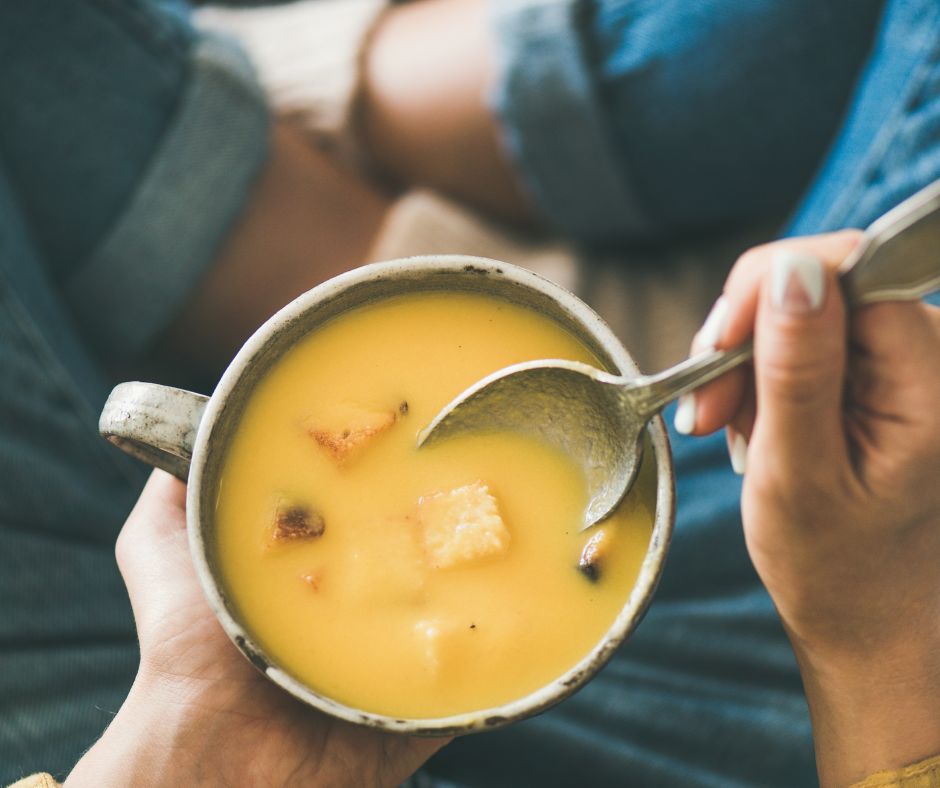
Nourishing meals: Encourage hearty and nutritious meals during the winter months. Warm soups, stews, and hot beverages like tea or cocoa can help keep them warm from the inside. Adequate nutrition is crucial for maintaining body temperature and overall health.
Regular exercise: While it might be tempting to stay indoors during winter, it’s important to remain active. Gentle exercises like indoor walking, yoga, or chair exercises can help improve circulation and keep joints flexible. Additionally, it provides a great opportunity for social interaction if done in groups.
Slip-Proof the home: Icy pavements and driveways can be treacherous, so ensure that paths around the house are clear and well-salted to prevent slips and falls. Consider installing handrails if necessary and provide non-slip mats in areas prone to moisture, such as the bathroom and kitchen.
Stay social: Loneliness can be a real issue during the winter when the cold weather discourages outdoor activities. Encourage your elderly loved one to maintain social connections. Arrange visits with friends and family, or help them join local clubs, or classes aimed at older people.
Medication management: Ensure that medications are up-to-date and stored properly. Cold temperatures can affect the potency of certain medications, so follow the pharmacist’s recommendations for storage. A pill organizer can help ensure medications are taken as prescribed.
Seasonal vaccinations: Make sure you get your elderly relative to have any vaccinations they are entitled to – such as the flu vaccination and the Covid vaccination.
Emergency preparedness: Prepare for winter emergencies by stocking up on essential supplies like non-perishable food, water, a flashlight and spare batteries. Have a communication plan in case of power outages, and keep a list of important contacts readily available.
Regular check-ins: Check in regularly, either in person, by phone, or through video calls. Loneliness and isolation can be especially challenging during the winter months, so offering emotional support is vital.
Seek professional help: If you have concerns about an elderly person’s health, don’t hesitate to seek professional advice. A doctor can provide guidance on winter-specific health issues and assess their overall wellbeing.
For more on looking after elderly people in the Winter you can visit the following websites –
The ultimate winter toolkit for older people | Age Co Mobility (ageukmobility.co.uk)
Seasonal vaccinations and winter health – NHS (www.nhs.uk)
Advice on keeping warm and well in winter | Age UK
Top tips for keeping warm (publishing.service.gov.uk)
How To Keep the Elderly Warm in Winter | Care Choices
Get ready for winter – GOV.UK (www.gov.uk)
Keeping Well Through the Winter: A Guide for Seniors | British Seniors

As summer temperatures rise, it is vital to understand how to care for elderly and vulnerable people during hot weather. High temperatures can quickly worsen...

Deciding when is the right time for someone to move into a care home is never simple. Every person and every family is different, and the...

Back to Christmas Companions For many of us, December is full of familiar traditions, family gatherings and festive fun. But for some older adults,...

What is respite care? Respite care is a short-term support service aimed at providing relief for individuals who care for family members or friends...