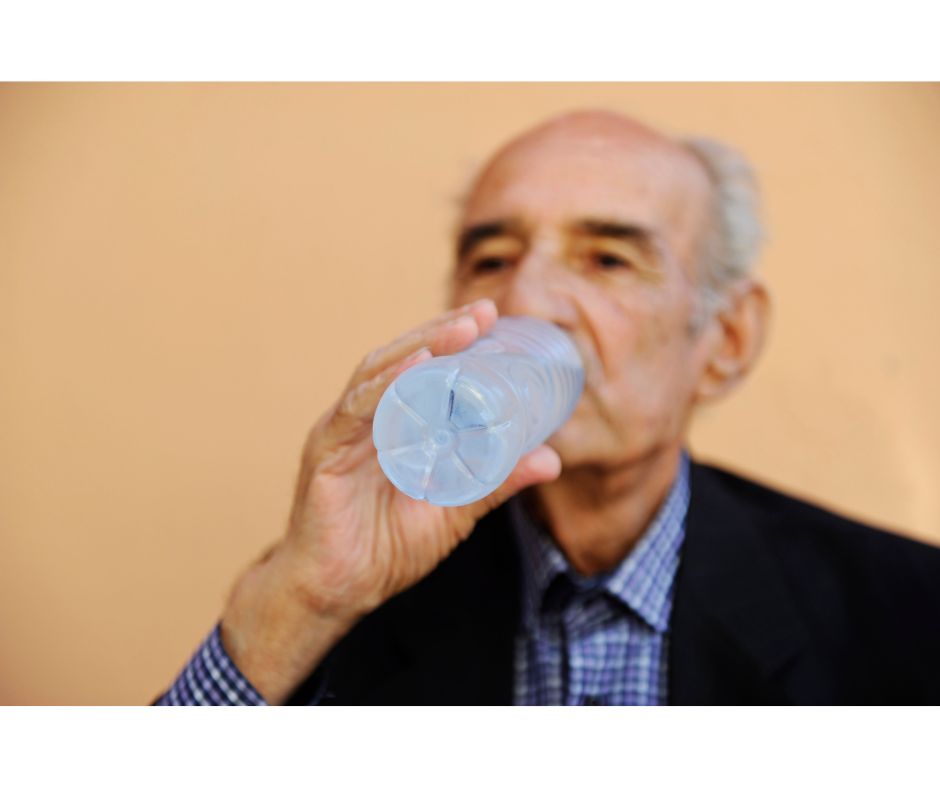
Dehydration is a common health concern, especially among the elderly. As we age, our bodies may not signal thirst as effectively, making it easier to overlook the need for hydration. Recognising the signs of dehydration in older individuals is crucial for their wellbeing so it is useful to be able to identify the signs of dehydration in an elderly person.
Monitor fluid intake – One of the simplest ways to spot dehydration in the elderly is by keeping an eye on their fluid intake. Encourage them to drink water regularly throughout the day. If they are not consuming enough liquids, this could be an early warning sign of dehydration.
Check urine colour and frequency – The colour of urine can provide valuable clues about hydration levels. Urine that is dark yellow or amber may indicate dehydration. In contrast, pale yellow or straw-coloured urine generally suggests adequate hydration. Moreover, if an elderly person is urinating less frequently than usual, it may be a sign that they are not drinking enough water.
Observe their skin – Dehydrated skin may appear dry, flaky, or inelastic. In the elderly, the skin becomes more vulnerable to dehydration, making it essential to check for these signs. Pay special attention to the back of their hand, forearm, or abdomen, as these areas are often affected first.
Look for dry mouth and lips – A dry mouth and parched lips can indicate dehydration in older individuals. If they frequently complain of a dry or sticky feeling in their mouth, it could be a red flag. Encourage them to sip water throughout the day to keep their mouth and lips moist.
Assess their mental alertness – Dehydration can also impact cognitive function, leading to confusion or dizziness in elderly persons. Keep an eye out for any changes in their mental alertness or sudden shifts in behaviour, as these might indicate dehydration.
Check for sunken eyes – Elderly individuals experiencing dehydration may have sunken eyes or dark circles under their eyes. This sign can be a result of reduced fluid levels in the body.
Notice fatigue and weakness – Dehydration can cause fatigue and weakness, making it challenging for older adults to perform their daily activities. If they appear more tired than usual or have trouble with simple tasks, consider the possibility of dehydration.
Monitor blood pressure and heart rate – Low blood pressure and an increased heart rate could be linked to dehydration in elderly individuals. Regularly check these vital signs, especially if you suspect dehydration.
Spotting the signs of dehydration in elderly persons is crucial for their overall health and wellbeing. Encourage them to drink water regularly, and pay attention to changes in their urine colour, skin condition, and mental alertness.
If you notice any signs of dehydration, consult a healthcare professional promptly. By staying vigilant and taking prompt action, you can help ensure that your elderly loved ones stay hydrated and healthy.
For more information see –
Symptoms of Dehydration in Elderly: Signs, Prevention, Treatment (healthline.com)
Dehydration in older people – British Nutrition Foundation
Dehydration – NHS (www.nhs.uk)
Drinking, hydration and dementia | Alzheimer’s Society (alzheimers.org.uk)
As summer temperatures rise, it is vital to understand how to care for elderly and vulnerable people during hot weather. High temperatures can quickly worsen...

Deciding when is the right time for someone to move into a care home is never simple. Every person and every family is different, and the...

Back to Christmas Companions For many of us, December is full of familiar traditions, family gatherings and festive fun. But for some older adults,...

Winter can be a magical time of year, but as the temperature drops, it’s essential to remember that winter can also bring challenges, especially for...