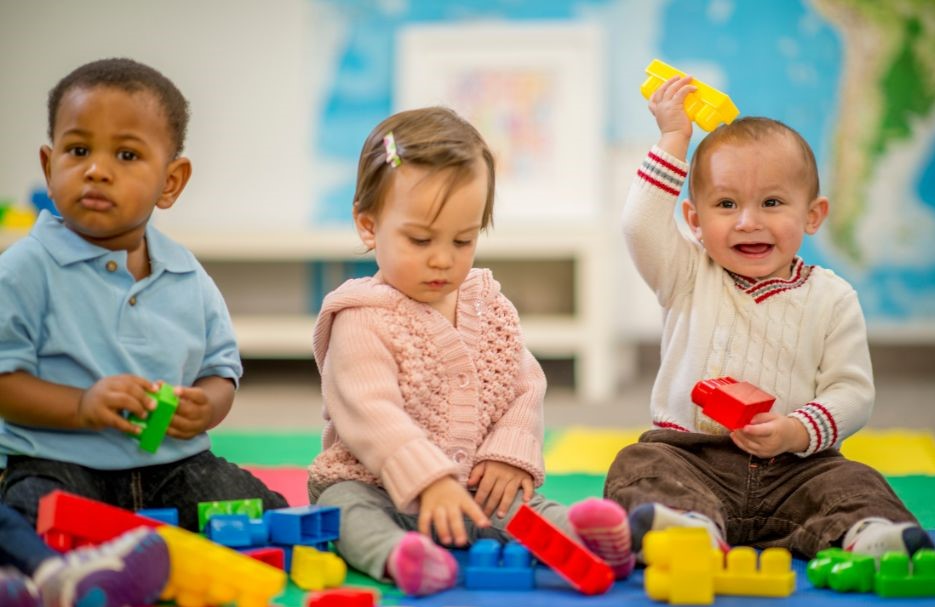
In recent years, the concept of intergenerational care in care homes has gained significant traction, and for all the right reasons. Intergenerational care involves planned social interactions that bring together people of different generations, creating a harmonious environment where seniors and children can interact, learn from each other, and build meaningful connections.
At Healthcare Homes, our care home residents partake in intergenerational programmes as part of a diverse schedule of activities.
Types of intergenerational programmes
Many of our care homes have regular visits from local schools or nurseries. During these visits, the care home residents engage in various activities such as arts and crafts, reading, singing, gardening, and even cooking with the children. These interactions aim to create a sense of engagement, connection, and community for residents, promoting overall wellbeing.
These programmes provide valuable opportunities for seniors and children to form emotional bonds and develop a mutual appreciation for each other’s perspectives.
The benefits of intergenerational programmes in our care homes
The advantages of these relationships extend to all age groups involved. For older adults in care homes, these programmes yield emotional, physical, and cognitive benefits, making them a truly enriching experience.
Emotional Benefits
Participating in intergenerational activities has shown to significantly improve the mental health and emotional wellbeing of care home residents. These benefits include
- reduced feelings of loneliness and isolation
- lower rates of depression and anxiety
- a more positive self-image
- an improved sense of purpose
- increased dignity
- improved mood
.Physical Health Benefits
Intergenerational activities also contribute to better physical health for older adults. Regular interaction with children encourages seniors to be more physically active and this can
- Lead to increased mobility,
- Improve flexibility
- Result in fewer falls
- Reducing the risk of developing health problems
Cognitive Benefits
Research suggests that intergenerational programmes can have positive effects on cognitive health. Older adults who engage with children may perform better on memory tests compared to those who do not. For seniors with cognitive impairments, such as dementia, interacting with children has shown to bring about more significant improvements than other activities. The exchange of knowledge and skills between generations, such as playing musical instruments or computer games, keeps the mind active and promotes overall cognitive health.
The Future of Intergenerational Care
The benefits of intergenerational care are not limited to older adults; children also gain immensely from these interactions. Studies have shown that intergenerational work improves children’s vocabulary, confidence, pro-social behaviour, and communication skills. Additionally, children who engage with older adults tend to develop a greater sense of empathy, leading to a reduction in ageism and fostering positive attitudes towards older generations.
Intergenerational care began as an innovative approach in Japan in 1976 and has since spread to countries like the US, Canada, and the Netherlands. In the UK, numerous cross-generational care homes have been established, with more in development, illustrating the growing interest in this enriching concept.
For more information about intergenerational benefits for care homes see
www.channel4.com
Channel 4 commissions Old People’s Home for 4 Year Olds | Channel 4
How care homes and nurseries are coming together for good (ageukmobility.co.uk)
Benefits of intergenerational activities for older people – carehome.co.uk advice
www.generationsworkingtogether.org

As summer temperatures rise, it is vital to understand how to care for elderly and vulnerable people during hot weather. High temperatures can quickly worsen...
Deciding when is the right time for someone to move into a care home is never simple. Every person and every family is different, and the...

Back to Christmas Companions For many of us, December is full of familiar traditions, family gatherings and festive fun. But for some older adults,...

Winter can be a magical time of year, but as the temperature drops, it’s essential to remember that winter can also bring challenges, especially for...